

36 years old is the average age of Chinese Lamborghini owners.
In fact, before Lamborghini officially delivered the Urus SUV model, the average age was even younger.
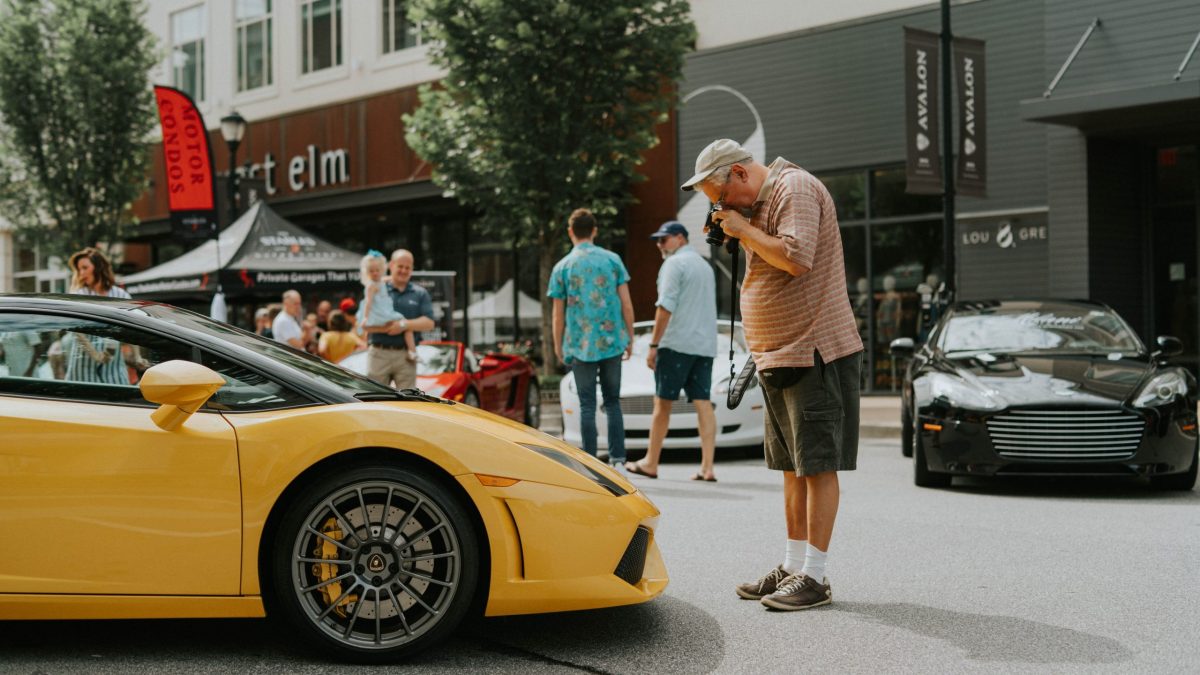
Don't be too envious, this is the power of your parents.
Throughout 2019, Lamborghini sold 750 cars in China, up from 342 in 2018. Most of the doubling sales figures come from the Urus, where about 80% of Urus owners are buying Lamborghini for the first time.
In a sense, the Urus can indeed be regarded as a perfect ultra-luxury brand SUV, which will not be as difficult to control as Lamborghini's other supercars. At the same time, it has not lost the grumpy performance of the Lamborghini brand's genes. More importantly, the design of the whole vehicle is still very Lamborghini, and it is highly recognizable.
In fact, for super luxury brands like Lamborghini, there are many ways to increase sales and harvest more rich people. One is to produce SUV models, and the effect is immediate. The same is true for pure electric models, which are also effective in super-large cities like Beijing and Shanghai in China with license restrictions. Even more can be replaced with a lower-performance engine for their previous model without too much investment in research and development, which not only better meets the displacement standard, but also directly reduces the cost and price, lowering the purchase threshold, and there will naturally be more consumers.
But in reality, Lamborghini doesn't want to do that.
Last week, I had the opportunity to interview Mr. Francesco Scardaoni, executive general manager of Lamborghini Chinese mainland, Hong Kong and Macau, to talk about Lamborghini's views on pure electric sports cars, and whether it will still adhere to large-displacement naturally aspirated engines in the face of increasingly stringent emission standards, and whether it will produce more models after achieving more sales in the incremental market with SUV models.



































0 comments