

Musk has been obsessed with "fully autonomous driving".
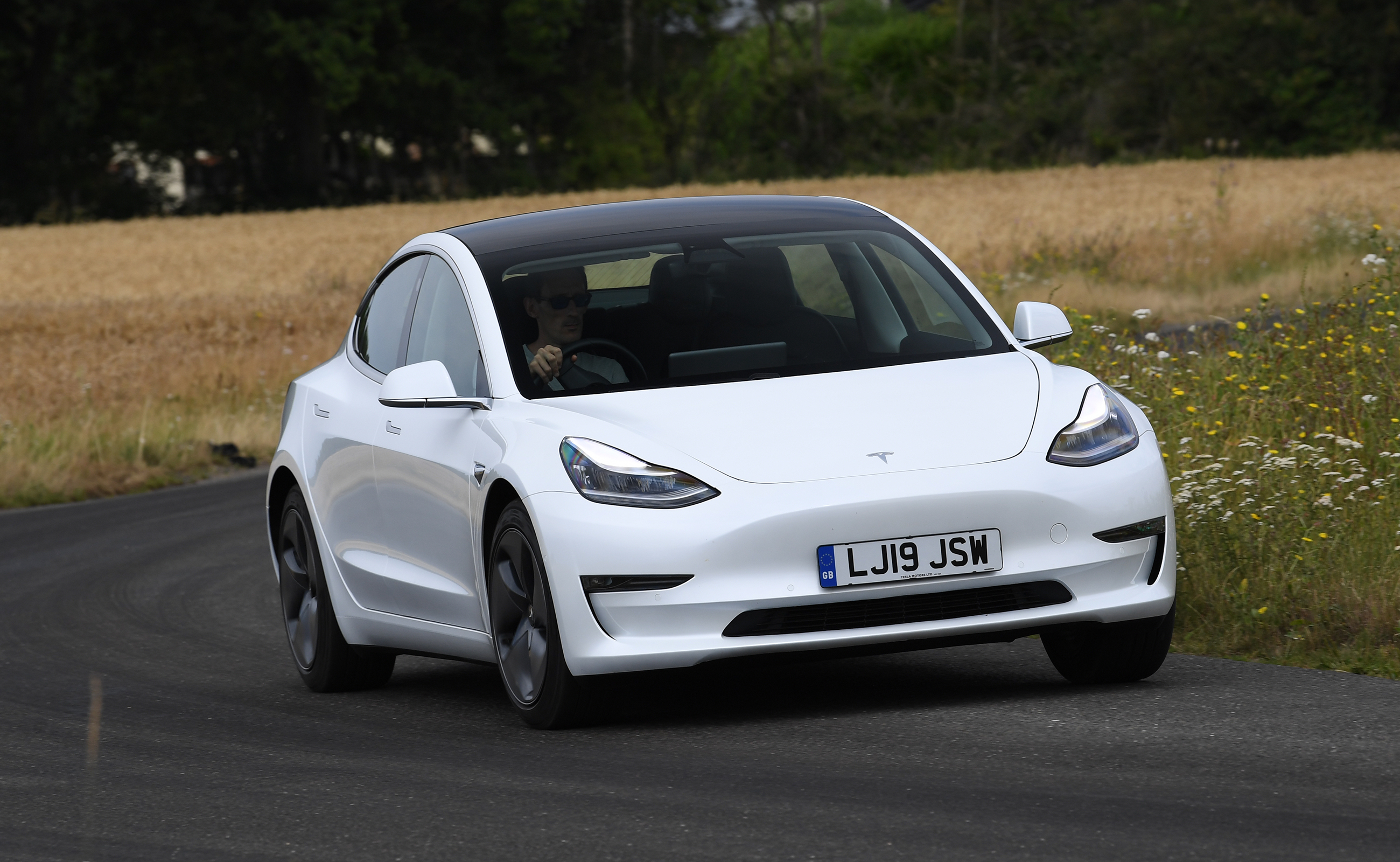
"I think we are very close to L 5 level autonomous driving. I am confident that we will complete the development of L 5 level basic functions this year." At the World Artificial Intelligence Conference in 7, Musk made a high-profile statement. Later, Tesla's second-quarter earnings report stated that the company is working hard to move to more complex artificial intelligence frameworks to improve Autopilot capabilities.
On the other hand, a Tesla crashed into a police car in the United States. However, this did not prevent Musk from recruiting new people online for his beloved performance monster project.
On January 1, Musk tweeted,Tesla is recruiting AI or chip talent for its "Dojo" neural networks training computer program.
At present, the Tesla Autopilot team has more than 300 talented engineers, including about 200 software engineers and 100 chip engineers.
Tesla is known to have been using cameras to detect the presence of cars and pedestrians, rather than lidar.
At present, there are about 750,000 Tesla vehicles in operation around the world, with eight surround cameras. On the basis that the average user may drive for about an hour a day, this huge fleet generates about 20 million hours of 360-degree video per month, with eight cameras per vehicle, and the fleet generates about 170 million hours of video per month. It is not only difficult to manually label videos, but also not economically feasible. Therefore, letting the data learn to supervise itself will greatly improve the efficiency of data processing. This is why Musk has high hopes for supercomputers.
In January 2010, Andrej Karpathy, a senior director of AI at Tesla, revealed in a presentation that Dojo's goal in training computers was to improve performance by an order of magnitude at a lower cost.
At present, Dojo is still under construction, starting with V 1. 0, and results may not be available for about a year.
This will be oneA true supercomputer, Musk tweeted. Technically, there is still a lot of work to be done, "We have simulated this supercomputer on an FPGA at about 0 .{ 1}% load."
According to Mr. Musk himself, who tweeted that the technology would be made available "in a limited public offering in six to ten weeks," it would be a big step forward for Tesla's Autopilot system.

































0 comments